
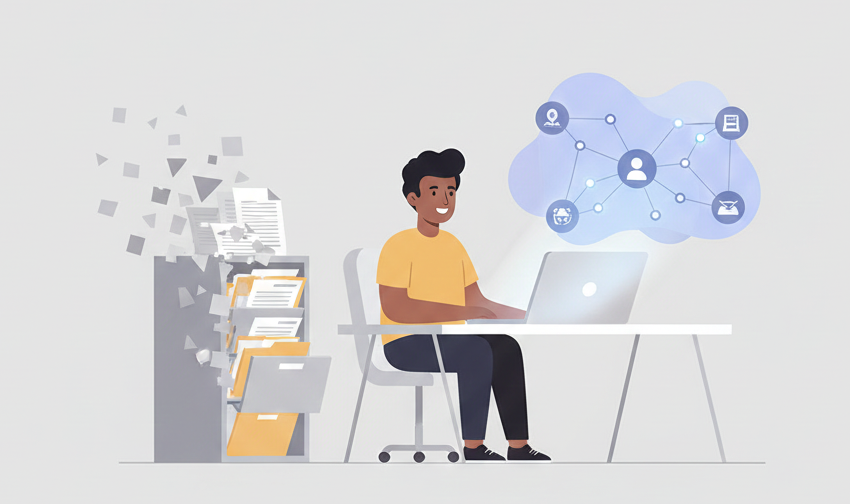

The Pause That Drains More Than Time
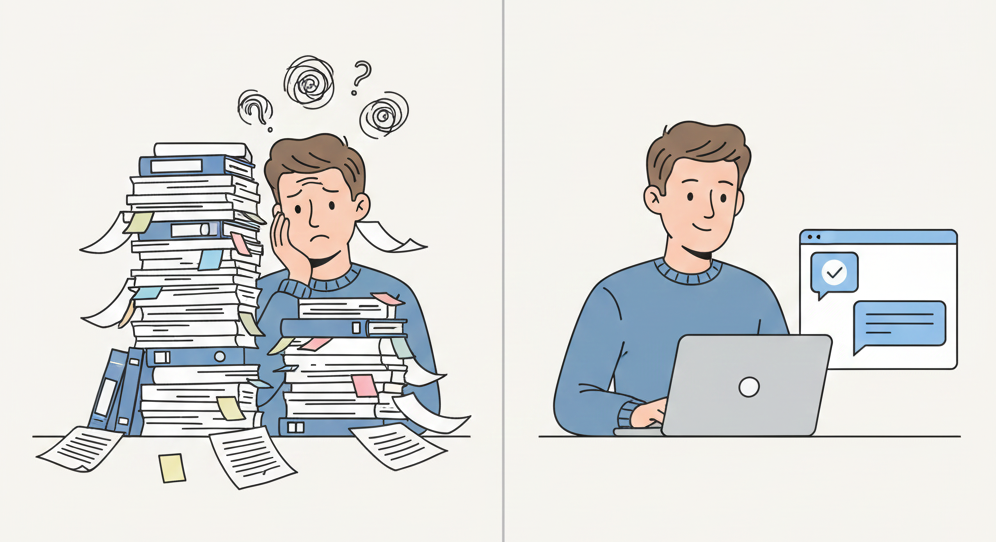
The bug wasn’t hard, and the fix wasn’t clever. What drained me was the pause that moment when you stop building and start searching, not because you’re lost, but because something small feels off and you can’t name it yet. Not a clean pause, either. The kind where momentum leaks out quietly, and you don’t notice until everything feels heavier than it should.
I opened the documentation already expecting it to be correct. It was. Clean. Updated. Confident. It explained what the tool does and how it works, with the kind of clarity that usually signals relief. But it never touched the reason my thing wasn’t the specific, uncomfortable gap between what should have happened and what actually did.
That’s usually where the irritation settles in. Not as anger, not even frustration, but as a quiet tightening behind the eyes. The sense that the problem isn’t your ability or effort, but the shape of the help itself. You start rereading sentences you already understood, scrolling slower, wondering if you missed something obvious, not because you’re confused, but because the explanation seems to be happening somewhere else.
And then a softer thought slips in. Not dramatic. Not loud. Just persistent enough to matter: I should know this by now. That’s when the pause starts costing you more than time. It starts touching confidence. Flow breaks, doubt seeps in, and the work feels heavier than it did a few minutes ago.
When the Problem Stops Feeling Like “Documentation”
At that point, the problem doesn’t feel like “documentation” anymore. It feels like friction that shouldn’t exist, something misaligned rather than missing. And the strange part is this: most people assume that friction comes from bad explanations, missing pages, or lazy writers. It doesn’t.
It comes from the assumption that knowledge can be written once, frozen in place, and still meet a moving human at the exact moment their understanding breaks. That assumption is what’s quietly failing, and something else is already taking its place.
Documentation Was Built for a Different World
Traditional tech documentation was built for a different world slower one, a quieter one. You shipped a tool. You froze the interface. You explained it once.
The mental model was simple: if we explain everything clearly enough, someone will eventually find what they need. That world is gone because people got lazy, not because writers stopped caringbut. After all, creators don’t move that way anymore.
The Question Documentation Was Never Built For
Today, the problem isn’t access to information. It’s alignment. The answer exists somewhere, but not in the shape, order, or timing your brain needs right now. You’re not asking, “How does this system work?” You’re asking, “Why did it break here, after that, when everything else was fine?” Documentation doesn’t like those questions. They’re messy. Contextual. Slightly embarrassing.
The Moment That Changed Everything
I remember copying an error message into the documentation search. It returned three explanations. All reasonable. All polite. None of them mentioned the thing I had changed ten minutes the tiny decision that felt too small, too obvious, to even count as “context.”
So I rewrote the question, not cleaner, but messier. I included the part I thought made me look careless. That’s when the answer finally made sense. Nothing new was revealed. Nothing magical happened. The explanation just arrived in the same shape as the confusion. That’s the moment traditional documentation keeps missing.
How AI Will Eat Tech Documentation Quietly Start Eating
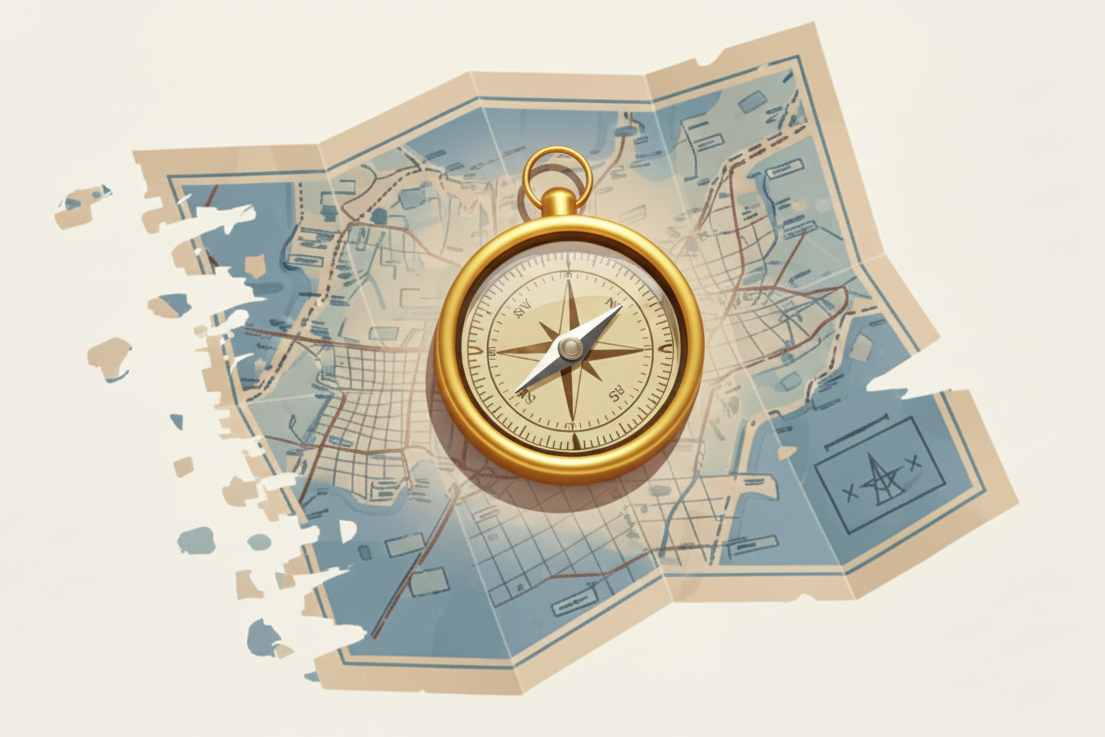
This is where AI quietly starts eating tech documentation by deleting it, not by replacing it wholesale, but by dissolving its edges. AI doesn’t replace documentation because it’s smarter. It replaces it because it’s situated. It meets the question where it appears, not where the author imagined it would. That difference sounds small. It isn’t. And for creatorsespecially independent onesit feels less like disruption and more like relief.
Why Documentation Was Always Fighting Itself
Before AI, documentation tried to do two impossible things at once: be complete and be general. Those goals fight each other.
The more complete the documentation becomes, the less usable it feels in the moment you actually need it. You don’t want the whole map when you’re stuck at one intersection with a blinking cursor and a deadline breathing down your neck.
You want orientation, someone to say, “Ah. That error. It usually means this. Try that first.” Not a chapter. Not a conceptual overview. Not a table of contents that politely assumes you have time. Documentation optimized for storage. AI optimizes for flow. That’s why the shift feels inevitable rather than dramatic.
Search Intent Is Emotional, Not Technical
Search intent, stripped of marketing language, is emotional. It’s frustration disguised as a sentence. When someone types a question, they aren’t asking for knowledge.
They’re asking for the shortest path back to momentum. Documentation assumes curiosity. AI assumes blockage. This is why AI Will Eat Tech Documentation isn’t a prediction about the future’s a description of what’s already happening quietly inside real workflows.
People don’t announce they’ve stopped reading docs. They no longer open them first.
The Fear Creators Rarely Say Out Loud
There’s a fear hiding under this shift, especially among writers and creators: If AI answers questions, what’s left for us? That fear comes from misunderstanding what documentation was actually doing. Documentation was never about writing.
It was about translation from system logic to human intention. AI doesn’t eliminate that need. It exposes how much of it was never fully solved. What AI takes over is the repetitive, situational explanation kind that drains energy but rarely adds depth. What remains is the work that actually matters: framing, judgment, edge cases, values. The things documentation struggled with, but creators were always good at.
The Permission AI Quietly Gives
One of the most overlooked changes AI introduces is the permission to stop pretending we can anticipate everything. Traditional documentation demands foresight. You must imagine all future users, all future mistakes, all future contexts.
It’s exhausting. And impossible. So writers hedge. They generalize. They abstract. AI doesn’t need foresight. It needs responsiveness. That shift reduces friction not just for users, but for creators too. You no longer have to compress reality into a single canonical explanation. You can let understanding emerge through interaction.
How AI Removes Quiet Shame
Documentation quietly trained people to blame themselves. If the answer is “in the docs,” then confusion becomes a personal failure. AI removes that shame. You can ask a “dumb” question without signaling incompetence. You can ask the same thing twice, differently, until it clicks. That psychological shift matters more than most productivity metrics.
Yes, AI is replacing traditional tech documentation for many day-to-day use casesbut no, this does not replace creators. It changes what creators are for. AI can tell you how to do something. Creators help you decide whether you should, and what it costs.
Where AI Still Needs Humans
There is an uncomfortable edge to this shift. AI answers can be locally correct and globally misleading. Documentation, for all its stiffness, carries institutional memory. The future isn’t “no documentation.” It’s layered documentation. AI handles the first layer of immediate friction. Creators shape the deeper layers: philosophy, boundaries, and long-term thinking.
Why This Shift Creates Space for Human Writing
Another uncomfortable truth: much of what we called “documentation” was never read anyway. AI exposes that gap brutally. This shift isn’t about speed. It’s about reduced cognitive drag. When mechanics stop exhausting people, they have room for reflection. Ironically, by eating documentation, AI creates space for writing that actually feels human.
Staying in the Conversation
There’s a quiet humility in accepting this shift. Understanding is temporary, contextual, and relational. Creators who cling to permanence will feel threatened. Creators who lean into presence will feel useful.
Late at night, when the screen finally dims and the problem loosens its grip, nobody remembers the documentation they read. They remember the moment something clicked. AI can deliver that sentence now. Creators decide what it means. And somewhere between a blinking cursor and a soft exhale of relief, the thinking pauses not finished, just no longer stuck.
Releted Posts 📌
Why AI Automation Is a Blessing for Creators (And Most Don’t Realize It Yet)
